Source precision industrial cd core for Sensors, Transformers, Instruments
Find 25 verified listings for precision industrial cd core suitable for sensors, transformers, and precision instruments. Buyers can compare specifications, materials, and surface treatments to identify the right components for their manufacturing needs.
Key considerations
Products List


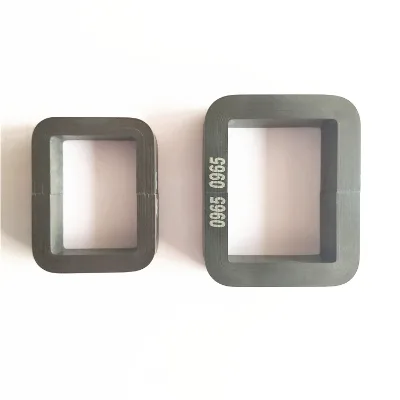
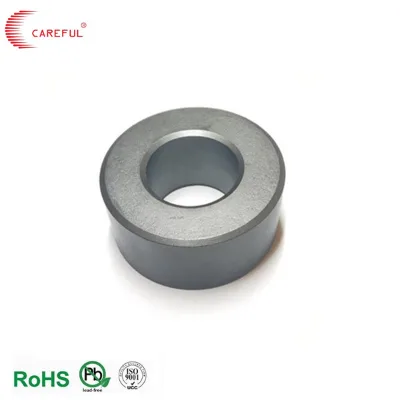
Comprehensive Sourcing Guide
Precision Industrial Cd Core Sourcing Guide
Sourcing precision industrial CD cores requires a clear understanding of the specific magnetic and mechanical attributes that define high-performance components for sensors, precision instruments, and transformers. The market offers a diverse range of options, from silicon steel cores with laminated magnetic structures to custom-machined variants, each serving distinct operational needs. Buyers must distinguish between mass-produced standard units and batch or single-production items tailored for specialized machinery accessories or automotive applications. The availability of customization, including specific core types and surface treatments, allows for adaptation to unique engineering constraints, but it also necessitates rigorous verification of the supplier's capability to maintain tight tolerances during the ribbon winding, precision cutting, and gap slotted processes.
The procurement landscape for these components is characterized by a wide variance in listing signals, including observed price ranges from $0.1 to $10,000 and minimum order quantities (MOQ) spanning from 1 to 5,000 units. This variability often reflects differences in material grades, such as high-grade silicon steel versus general alloys, and the complexity of the machining methods employed, ranging from standard CNC machining to advanced 3/4/5 axis centers. Buyers should be aware that while small orders are accepted by many suppliers, the production type—whether mass production, batch, or single production—directly impacts lead times and unit economics. Understanding these listing signals is critical for aligning procurement strategy with project timelines and budget constraints, ensuring that the selected supplier can deliver the required volume without compromising on the precision engineering essential for CD core functionality.
Product Scope and Observed Listing Signals
When evaluating product listings, buyers must scrutinize the specific material composition and processing techniques listed, as these define the core's performance envelope. The observed data indicates a prevalence of materials including iron, aluminum, copper, brass, steel, and various alloys, alongside specialized coatings like DLC (Diamond-Like Carbon) for enhanced wear and heat resistance. Surface treatments vary significantly, with options ranging from epoxy powder coating and passivation to anodizing and electroplating, each offering different levels of corrosion and oxidation resistance. It is essential to verify that the listed surface treatment matches the operational environment of the final application, particularly for components used in hardware tools or machinery accessories where exposure to harsh conditions is common.
The scope of available products also extends to specific machining capabilities and workpiece dimensions, which are critical for integration into larger assemblies. Listings frequently cite workpiece size ranges for milling and turning, such as milling dimensions up to 1020mm by 510mm and turning diameters from 20.5mm to 2250mm, alongside tight tolerance ranges as precise as +/-0.003mm for metal machining. Buyers should note that while some suppliers offer standard models like the K24, others provide fully customized machining services with OD limits under 70mm or specific coating structures like multilayer DLC. The presence of features such as atmospheric and immersion corrosion resistance, conductivity, and heat resistance in the product descriptions serves as a key indicator of the component's suitability for demanding industrial applications, but these attributes must be confirmed against the specific requirements of the intended sensor or transformer system.
Technical Specifications to Verify
Technical verification begins with the core material grade and the specific magnetic properties derived from the manufacturing process. The supplied facts highlight the use of silicon steel cores with laminated magnetic structures, processed through ribbon winding and precision cutting to optimize magnetic flux and minimize eddy current losses. Buyers must confirm that the "High Grade" designation corresponds to the specific alloy composition required for their application, as the material list includes a broad spectrum from standard steel to specialized alloys and plastics. The machining method, whether CNC machining or specific processes like chamfering, turning, and bending, must be validated to ensure the final geometry meets the strict dimensional requirements of precision instruments and transformers.
Surface finish and coating specifications are equally critical, as they directly influence the longevity and reliability of the CD core in various environments. The observed data includes surface roughness ranges from Ra 3.2 to 0.4, depending on the product and material, which buyers should cross-reference with their assembly tolerances. Coating materials such as DLC provide multilayer protection against wear, oxidation, and heat, but the specific coating color, such as black, and the coating structure must be verified to ensure compatibility with the system's thermal and electrical properties. Additionally, the raw material reports, which may include SGS, RoHS, Reach, and Certificate of Conformity (Coc) data, should be reviewed to confirm that the base materials meet the necessary purity and safety standards before the machining and coating processes are applied.
Compliance and Safety Documentation
Compliance verification is a non-negotiable step in the procurement of precision industrial components, particularly when dealing with international supply chains originating from regions like Fujian, China. The observed listings frequently reference certifications such as RoHS, which restricts the use of hazardous substances, and raw material reports that include SGS and Reach compliance. Buyers must ensure that the supplier provides up-to-date documentation for every batch, confirming that the materials used—whether iron, copper, or specialized alloys—adhere to these environmental and safety standards. The absence of such documentation can lead to regulatory hurdles in the buyer's home market, especially for products destined for the European Union or other regions with strict chemical regulations.
Beyond material compliance, the adherence to international engineering standards is vital for ensuring interoperability and safety in industrial applications. The product data lists a variety of standards including ASME, TEMA, JIS Code, China GB Code, and EN, which serve as benchmarks for design, manufacturing, and testing. Buyers should verify that the specific product model or custom order is manufactured in accordance with the relevant standard for its intended application, such as ASME for pressure vessels or JIS for automotive accessories. The presence of these standards in the listing is a positive signal, but it does not guarantee that every unit produced meets them; therefore, requesting a specific compliance certificate or test report for the batch being ordered is essential to mitigate the risk of non-conformance.
Cost Drivers and Commercial Terms
The cost of precision industrial CD cores is driven by a complex interplay of material selection, machining complexity, and the level of customization required. High-grade materials like specialized alloys or DLC coatings significantly increase the base cost compared to standard steel or plastic options, while the precision of the machining process, such as achieving tolerances of +/-0.003mm, adds to the labor and equipment expenses. The observed price range of $0.1 to $10,000 reflects this variability, with lower costs typically associated with mass-produced, standard-grade items and higher costs linked to single-production, highly customized components with complex surface treatments. Buyers must analyze the total cost of ownership, considering that a slightly higher initial price for a component with superior corrosion resistance or heat tolerance may result in significant savings by reducing maintenance and replacement frequency.
Commercial terms and payment structures also play a pivotal role in the overall procurement strategy and financial risk management. The observed data indicates that suppliers commonly accept payment via TT (Telegraphic Transfer) or LC (Letter of Credit), offering flexibility for different transaction sizes and risk profiles. Shipping terms such as EXW, FOB, CFR, CIF, and DDP are widely available, allowing buyers to choose the level of control and responsibility they wish to assume regarding logistics and insurance. Additionally, the acceptance of small orders and the availability of custom logos and colors suggest that suppliers are willing to accommodate diverse procurement needs, but buyers should negotiate clearly on lead times and production schedules, especially for batch or single-production runs, to avoid delays that could impact their own manufacturing timelines.
Supplier Qualification and Quality Control
Supplier qualification for precision industrial components hinges on the robustness of their quality control systems and their ability to maintain consistency across production runs. The observed listings emphasize a "100% Inspection Before Shipment" protocol, which is a critical safeguard against defects in high-precision applications. Buyers should verify the specific inspection methods used, such as the use of 3/4/5 axis CNC machining centers and the adherence to tight tolerance ranges, to ensure that the supplier's internal quality checks are rigorous enough to catch deviations before the product leaves the facility. The presence of a "100% Inspection" claim is a strong indicator of quality commitment, but it must be backed by documented procedures and, ideally, third-party audit reports to be fully trusted.
The supplier's production capabilities and equipment sophistication are also key indicators of their ability to deliver high-quality CD cores. The data highlights the use of advanced equipment like 3/4/5 axis CNC machining centers and processes such as ribbon winding, precision cutting, and gap slotted, which are essential for creating the complex geometries required by sensors and transformers. Buyers should assess whether the supplier's equipment is capable of handling the specific workpiece size ranges and surface roughness requirements of their project. Furthermore, the supplier's experience with different production types, from mass production to single production, should be evaluated to ensure they can scale operations effectively while maintaining the precision and consistency required for critical industrial applications.
Long-Term Procurement Checks
Establishing a long-term procurement relationship requires ongoing verification of the supplier's ability to maintain quality and consistency over time. Buyers should implement a system for periodic re-verification of the supplier's certifications, such as RoHS and SGS reports, to ensure that their material sourcing and manufacturing processes have not drifted from compliance standards. Regular audits of the production line, focusing on the CNC machining centers and surface treatment processes, can help identify potential issues before they result in defective batches. The ability of the supplier to provide consistent raw material reports and adhere to the specified standards like ASME, JIS, and EN is a strong predictor of long-term reliability and should be a key metric in supplier performance reviews.
Finally, the flexibility and responsiveness of the supplier to changing requirements are essential for long-term success in a dynamic industrial market. The observed data shows that suppliers offer customization in logos, colors, and product models, which suggests a capacity for adaptation. However, buyers must ensure that this flexibility does not come at the expense of quality or lead time consistency. Establishing clear communication channels for feedback on product performance, such as issues related to corrosion resistance or wear, allows for continuous improvement and adjustment of specifications. By maintaining a proactive approach to supplier management, buyers can secure a reliable supply chain that supports the evolving needs of their precision instruments, sensors, and transformer applications.
FAQs
What materials are used for precision industrial cd cores?
Precision industrial cd cores are typically manufactured from silicon steel, iron, aluminum, copper, alloy, brass, plastic, steel, or nylon. The specific material selection depends on the required magnetic properties, mechanical strength, and application environment for the final product.
What surface treatments are available for these cores?
Available surface treatments include epoxy powder coating, passivation, polishing, and electroplating. These processes enhance corrosion resistance, improve surface finish, and ensure the core meets specific durability requirements for industrial applications.
Can precision industrial cd cores be customized?
Yes, customization is available for precision industrial cd cores. Buyers can request specific dimensions, custom logos, and tailored colors. The production process supports CNC machining with tight tolerances to meet unique design specifications.
What is the minimum order quantity for these cores?
Small orders are accepted for precision industrial cd cores. The observed MOQ range starts from 1 unit, allowing buyers to test samples or fulfill low-volume production needs without committing to large bulk purchases.
What certifications do these cores hold?
Precision industrial cd cores are certified to RoHS standards. This certification ensures the products meet specific environmental and safety regulations regarding hazardous substances, making them suitable for export and compliance-sensitive industries.
What applications are these cores suitable for?
These cores are suitable for sensors, precision instruments, transformers, hardware tools, machinery accessories, fasteners, and auto and motorcycle accessories. Their laminated magnetic structure supports efficient energy transfer and precise mechanical integration.
How is quality control managed for these products?
Quality control involves 100% inspection before shipment. This rigorous process ensures that every unit meets the specified dimensional tolerances and surface finish requirements, reducing the risk of defects in the final assembly.